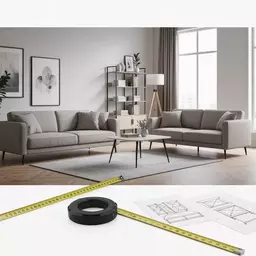
How Flatpack Furniture Can Help Prepare a Home for Sale

Planning a property refresh before selling is usually driven by budget, timelines, finishes, and approvals, but the way water moves across and away from a building can quietly decide how well the finished property performs. For homeowners, DIY renovators, apartment owners and property sellers, early attention to flatpack furniture, storage, room layout, styling and presentation helps prevent avoidable damage, rework, and maintenance problems after handover.
It also gives owners a clearer way to compare quotes, ask useful questions, and avoid decisions that look simple on paper but become awkward on site. In projects where roof drainage, waterproofing, or exterior services touch the scope, speaking with a home staging professional during planning can help connect design intent with practical site conditions before trades are locked in. This article explains the key issues to consider, the warning signs to look for, and the practical steps that make a project cleaner, safer and more durable.
Why property presentation deserves early attention
Property presentation is not only a finishing detail. It affects how walls stay dry, how surfaces age, how services are protected and how future maintenance is carried out.
When flatpack furniture, storage, room layout, styling, and presentation are considered at the start, the project team can coordinate falls, access points, penetrations, and stormwater paths while drawings are still flexible. That is much easier than trying to fix water movement after cladding, paving, cabinetry, ceilings or fit-out work has already been completed.
For DIY furnishing and flatpack improvement projects, this planning discipline is especially useful because the visible finish is often what people notice first, while the hidden drainage logic is what protects that finish over time.
A beautiful result can still fail if water is allowed to pond, overflow, track behind linings or collect near vulnerable edges. Good planning gives every trade a clearer boundary and reduces the risk of late variations caused by access conflicts or missed details.
Sequencing matters as much as the final detail
Many water-related defects are not caused by one poor decision. They come from a chain of small timing gaps: a downpipe location is confirmed after framing, a penetration is cut after services are roughed in, or a surface finish is installed before runoff has been tested. Mapping the sequence early lets builders, owners, and specialist trades decide what must be inspected before it is covered, what can be adjusted on site and what should be documented for future maintenance.
Common problems when water planning is left too late
When flatpack furniture, storage, room layout, styling, and presentation are treated as an afterthought, the consequences rarely stay isolated. Water can move from the roof edge into walls, from overflow points onto paved areas, or from blocked drainage into interior spaces. The common symptoms include cluttered rooms, poor traffic flow, undersized storage, tired presentation, and weak buyer photos. These issues can look like cleaning, maintenance, or cosmetic problems at first, but they often point back to poor movement of rainwater.
The cost of late fixes is not only the repair itself. Trades may need to remove finished work, revisit access equipment, delay other contractors or compromise the appearance of the project to make a service path fit. For property owners, that means disruption.
For builders and managers, it can mean callbacks, unclear responsibility, and preventable damage to reputation. Early coordination is usually simpler than trying to diagnose water after the building is occupied.
Warning signs worth investigating
· Rooms look smaller because furniture is too bulky or poorly positioned.
· Open inspections reveal clutter that could be hidden with better storage.
· Bedrooms lack bedside tables, wardrobes, or a clear purpose.
· Living areas feel empty, mismatched, or difficult to photograph.
· Buyers cannot easily imagine how the space would function.
Practical planning tips for sale preparation
The most useful approach is to make water movement visible in the planning conversation. Ask where water will collect during heavy rain, where it will discharge, which surfaces it will cross and who will be able to maintain those points later. Drawings should show realistic roof falls, gutter capacity, downpipe routes, overflow provisions and any areas where services pass through or near the building envelope. These details do not need to be overcomplicated, but they should be deliberate.
A second step is to coordinate the visible design with the service requirements. Owners often care about clean lines, discreet fixtures, and a tidy finished appearance. Trades need access, clearance and durable connections. The best results come when both priorities are solved together. In practice, that means confirming room scale, storage needs, furniture placement, neutral finishes, and photography angles before procurement, installation and final styling decisions are made.
A simple pre-start checklist
· Use slim storage pieces to remove visual clutter before photos.
· Choose neutral flatpack finishes that support the existing room palette.
· Leave enough walking space around beds, tables, and sofas.
· Create a clear purpose for awkward rooms, alcoves, and studies.
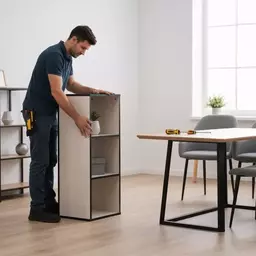
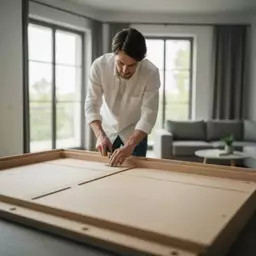
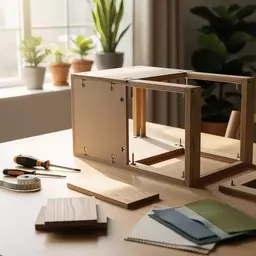
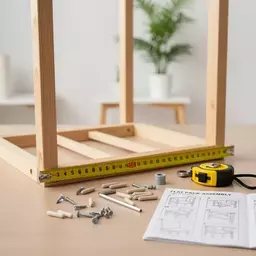
· Assemble and align furniture carefully so it looks permanent, not temporary.
How to brief trades and suppliers
A clear brief should describe both the desired finish and the performance requirement behind it. Instead of asking only for a neat installation, explain how the space will be used, where people will move, what needs to stay dry, which areas are difficult to access, and what parts of the project are most visible to owners, customers, or buyers. This helps trades and suppliers make practical recommendations instead of working from assumptions.
It is also worth recording the decisions made during site meetings. Photos, marked-up plans and simple handover notes can prevent confusion later, especially when more than one trade touches the same area. For DIY furnishing and flatpack improvement projects, that documentation can be the difference between a smooth final inspection and a late-stage argument about who allowed for what. Good records support accountability without making the project feel overmanaged.
Styling with budget and flexibility in mind
Flatpack furniture can be useful because it is accessible, modular, and easy to match to common Australian homes and apartments. It can help a seller solve presentation problems quickly without overcapitalising. The key is restraint: choose pieces that make the room easier to understand, not pieces that fill every wall. Good styling should make the home feel open, practical and cared for.
Australian properties also vary widely by age, roof type, materials and drainage infrastructure. Older buildings may have undersized gutters, concealed damage, or additions that changed the original runoff path. Newer projects may include solar equipment, complex facades, flat roof areas, balconies, or paved outdoor zones that make coordination more important. A practical inspection mindset helps the project team avoid assuming that a standard detail will suit every site.
Maintenance after the project is complete
A good project should leave the owner with more than a finished surface. It should leave a maintainable system. That means access to gutters, roof edges, drains, inspection points, and any areas where water could overflow. It also means documenting what was installed, how often it should be checked and which signs suggest a blocked or failing component. Maintenance is easier when the design has allowed for it from the beginning.
Seasonal checks are especially important after heavy rain, wind, nearby tree growth or building works. Owners and managers should look for staining, musty smells, unexplained dampness, ponding, noisy downpipes, overflowing gutters and water marks near penetrations. These are small observations, but they can prevent larger repairs when acted on early.
Conclusion
Flatpack furniture can be a smart bridge between everyday living and market-ready presentation. The strongest projects are usually the ones where hidden performance details are planned with the same care as visible finishes. By bringing water movement, access and maintenance into the conversation early, owners and project teams can protect the building, reduce rework and create a result that continues to perform well after the first inspection or opening day.